Yerevan
Armenia is a place where historical time, cultural memory, and intellectual tradition are deeply interconnected. Situated at the crossroads of East and West, Armenia has long functioned as a meeting point of cultures, ideas, and artistic traditions. This position is not only geographical but also cultural and intellectual.
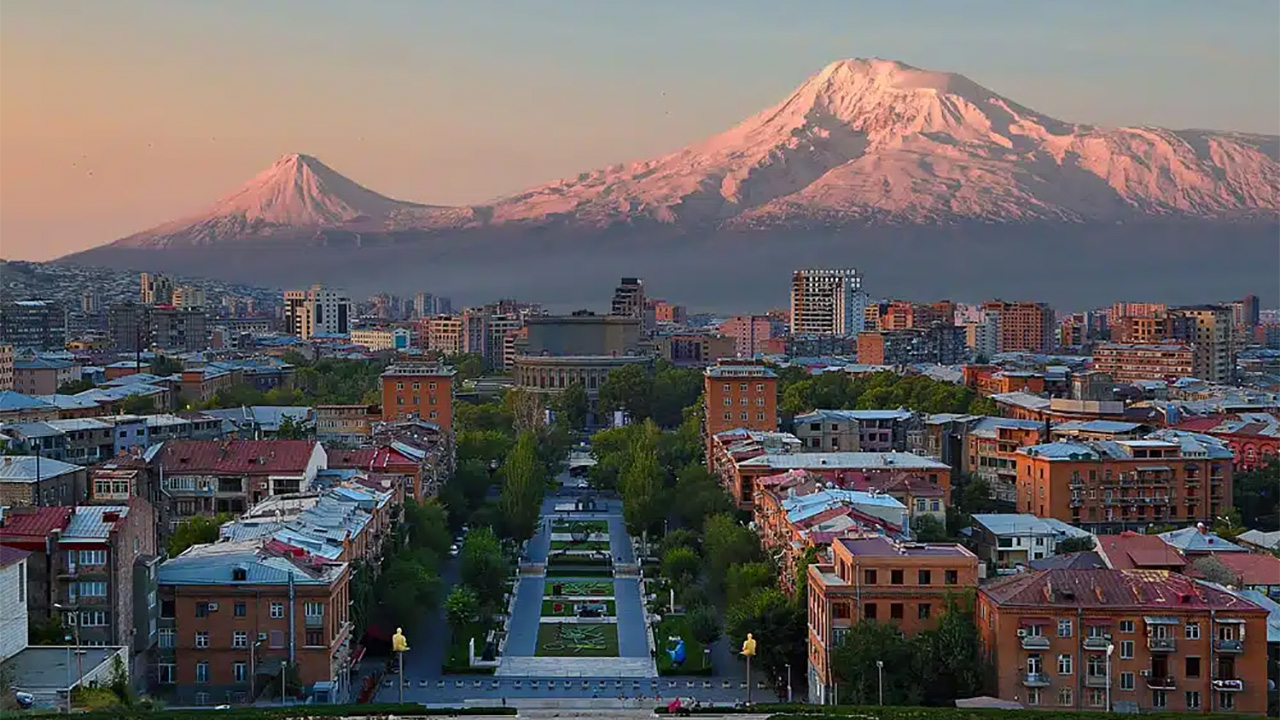
Yerevan, the capital of the Republic of Armenia, is one of the world’s oldest continuously inhabited cities. Founded in 782 BCE with the construction of the Erebuni Fortress, the city has evolved through successive historical periods while maintaining a strong cultural identity. Today, Yerevan presents itself as an open-air chronicle of Armenian history, where ancient sites, monumental architecture, and modern urban life coexist.
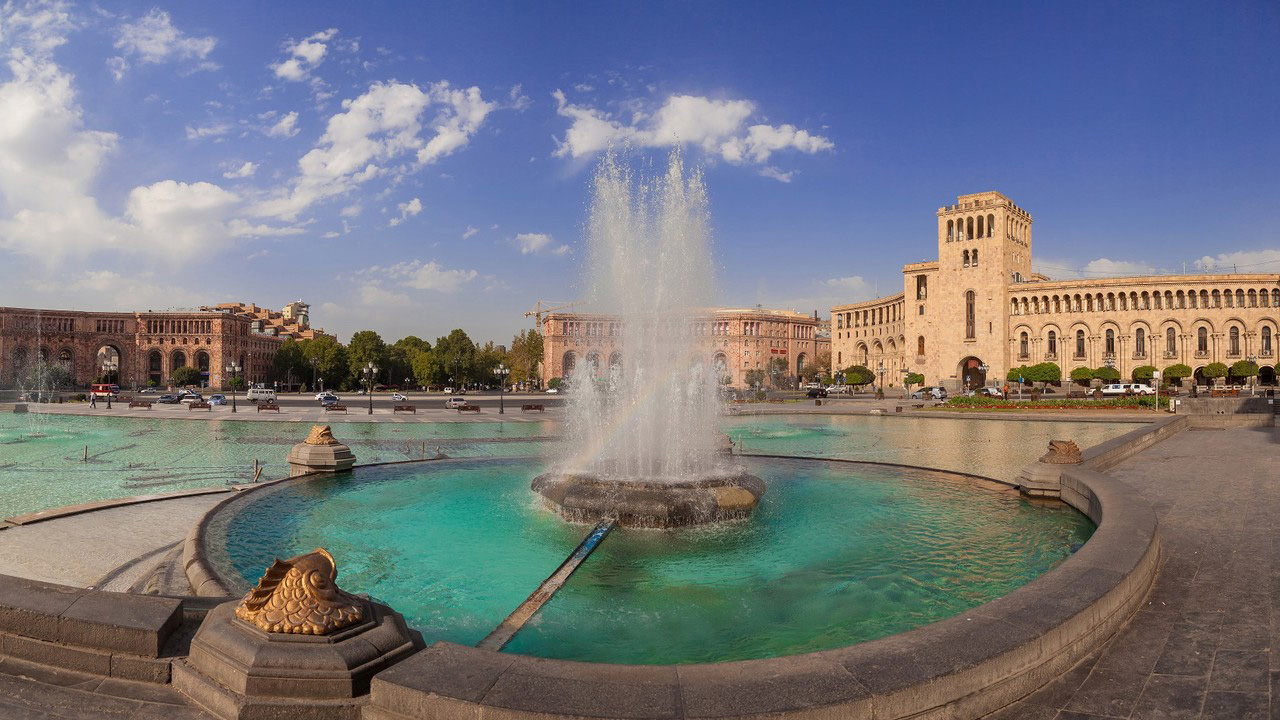
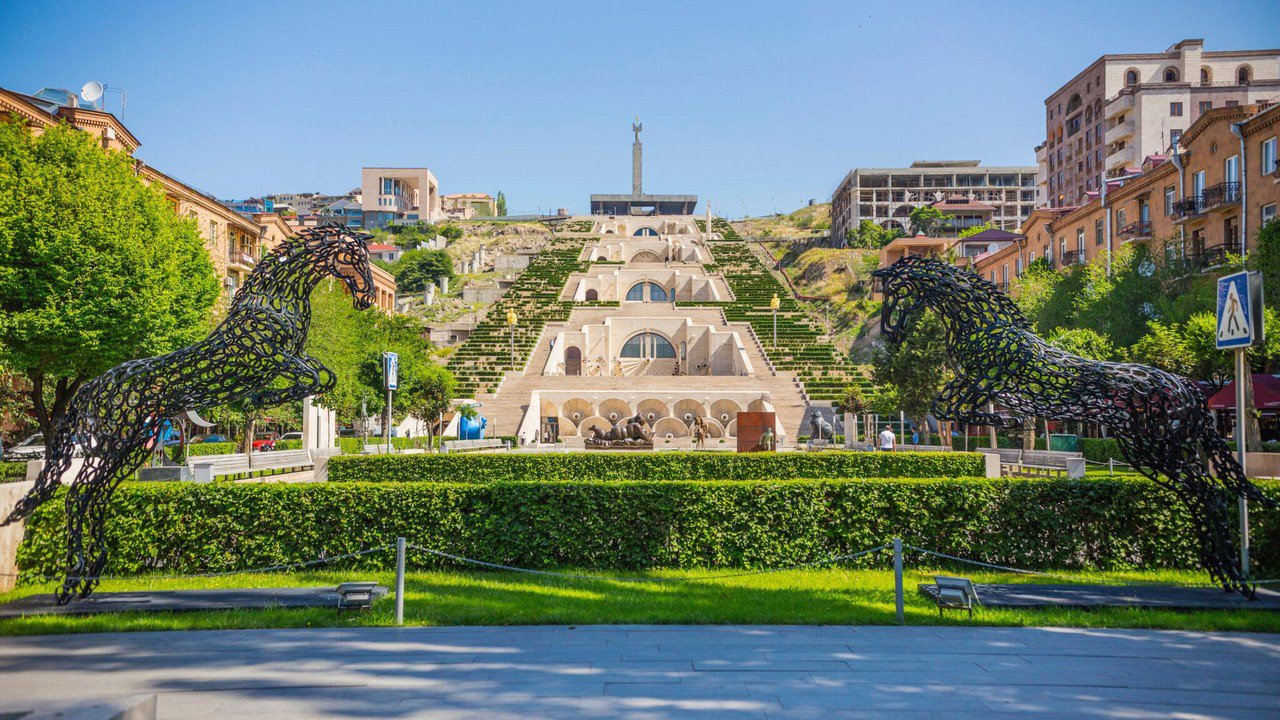
Key landmarks such as Republic Square, the Cascade Complex, historic churches, museums, and research institutions are integrated into a walkable cityscape of boulevards, parks, and public squares. Yerevan sustains a vibrant cultural and intellectual life, hosting universities, academies, concert halls, and galleries that foster international exchange.
Yerevan is home to a rich network of museums and cultural institutions, including
the Matenadaran (https://matenadaran.am/en/matenadaran/home/) – Mesrop Mashtots Institute of Ancient Manuscripts,
the History Museum of Armenia (https://historymuseum.am/en/),
the National Gallery of Armenia (https://national-gallery.mus.am/en/),
and numerous house-museums dedicated to major figures of Armenian culture such as
Komitas Museum-Institute (https://komitasmuseum.am/en/),
Aram Khachaturian House-Museum (https://akhachaturianmuseum.am/en/),
Martiros Saryan House-Museum (https://www.sarian.am/index_eng.html) etc.
Balancing deep-rooted traditions with contemporary creativity, Yerevan offers an inspiring setting in which history, scholarship, and artistic practice converge.
Language
Armenian is the official language of the country, and English is widely spoken among academics, students, and service staff in Yerevan.
Climate and Time
Early autumn is one of the most pleasant seasons in Armenia, with daytime temperatures typically ranging from 22–30°C (72–86°F) and cooler evenings.
Armenia operates on Armenia Standard Time (UTC/GMT +4) and does not observe daylight saving time.
Currency and Payments
The official currency is the Armenian Dram (AMD). Credit and debit cards are widely accepted in Yerevan, while cash is useful for small purchases and travel outside the city center. ATMs and currency exchange offices are readily available. Bank working hours: Monday–Friday, 09:30–17:00.
Connectivity and Practicalities
- Electricity: 220V / 50Hz (European plug types C & F)
- Wi-Fi: Widely available in hotels, cafés, museums, and conference venues
- SIM Cards: Affordable prepaid SIM cards are available at the airport and in the city. Major providers include Viva Armenia (https://www.viva.am/en/individual-customers), Team Telecom Armenia (https://www.telecomarmenia.am/en), and Ucom (https://www.ucom.am/en).
Health and Safety
Armenia is generally safe, including for solo travelers. Yerevan has good private medical facilities, though travel and health insurance are strongly recommended. Tap water in Yerevan is safe to drink, and public drinking fountains (pulpulaks) are common throughout the city.
Emergency Numbers
- Police: 102
- Ambulance: 103
- Fire: 101
- General Emergency: 911